News
News
(Reported by Keqi Xu)
On December 23, 2025, a study group composed of Mr. Zhang Hu, General Manager of Zhejiang Sanhe Smart Agriculture Technology Co., Ltd., Mr. Tang Zheng, Head of the Recirculating Aquaculture Project, aquaculture expert Mr. Shen, and the Investment Business Division team of our company, conducted a specialized visit to an industrial recirculating aquaculture fish farming project in Quzhou, Zhejiang. Through on-site inspections, technical exchanges, and data verification, the group gained an in-depth understanding of the innovative achievements and advanced experience of this model in water conservation, emission reduction, quality improvement, efficiency enhancement, and intelligent management and control.
In the core farming zone, the study group first visited the breeding workshop. Standardized breeding tanks were neatly arranged inside the facility, with clear and transparent water quality. Various fry were evenly distributed and highly active in the controlled aquatic environment. The project’s technical director explained to the group, “We adopt a full-chain farming system featuring ‘intelligent control + precision purification + data-driven management.’ Through over 2,000 sensors, 12 key indicators such as water temperature, dissolved oxygen, ammonia nitrogen, and pH are monitored 24/7. Data is transmitted in real time to a central management platform, enabling automated regulation of feeding, oxygenation, water exchange, and other processes.”
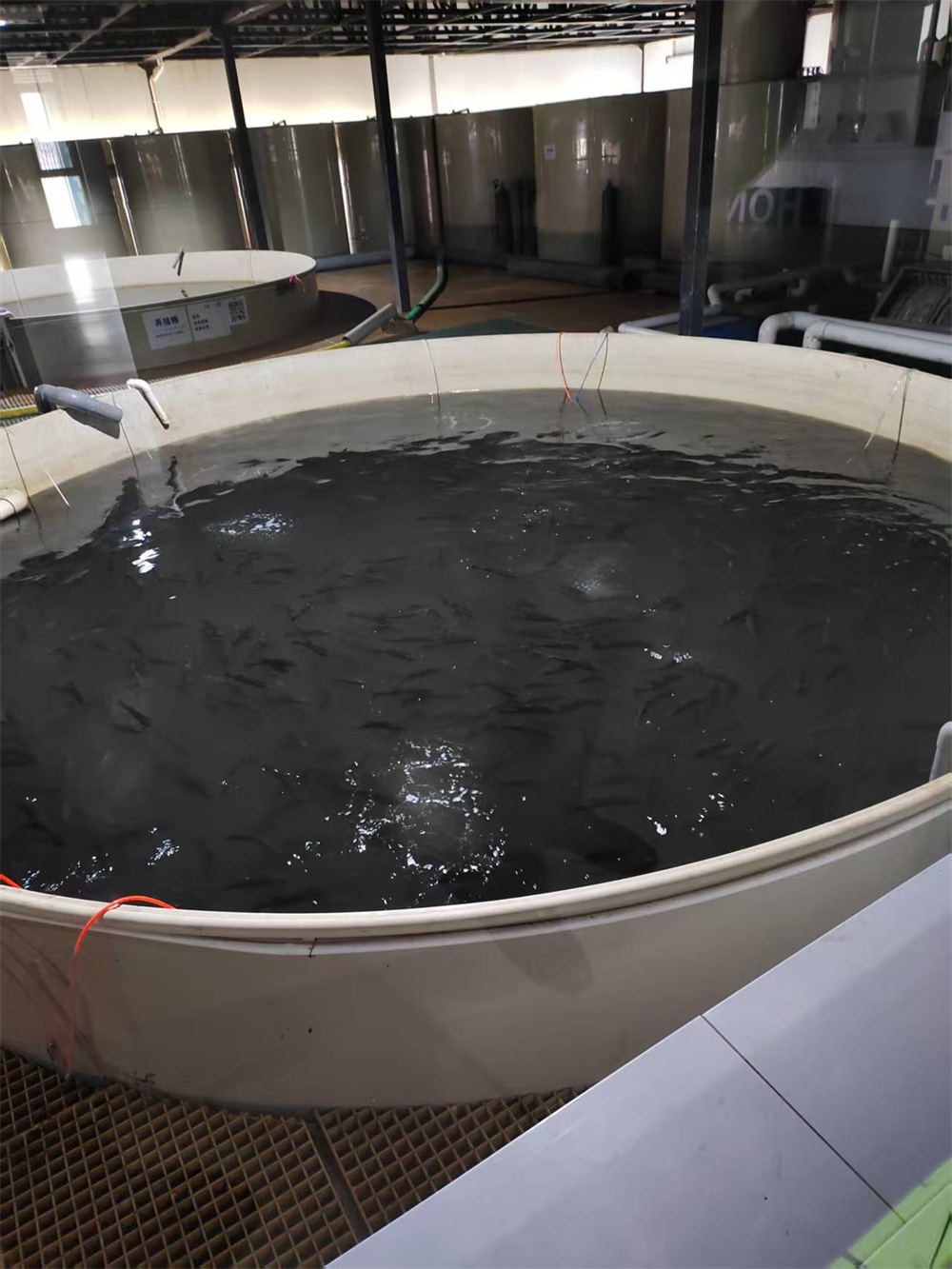
At the water purification center, the study group learned in detail about the operational process of the “five-stage synergistic purification system.” Aquaculture tailwater is treated sequentially through vertical flow sedimentation tanks, micro-screens, protein skimmers, and biofiltration systems. This process not only removes over 90% of residual feed and feces but also decomposes harmful substances such as ammonia nitrogen through nitrifying bacteria. Ultimately, purified water with turbidity below 5 NTU is reintroduced into the farming system, achieving a water recycling rate of over 95% and truly enabling zero-pollution, zero-residue aquaculture. Under this model, fish survival rates have increased to over 95%, and output per unit of water volume is 10–30 times higher than in traditional farming methods.
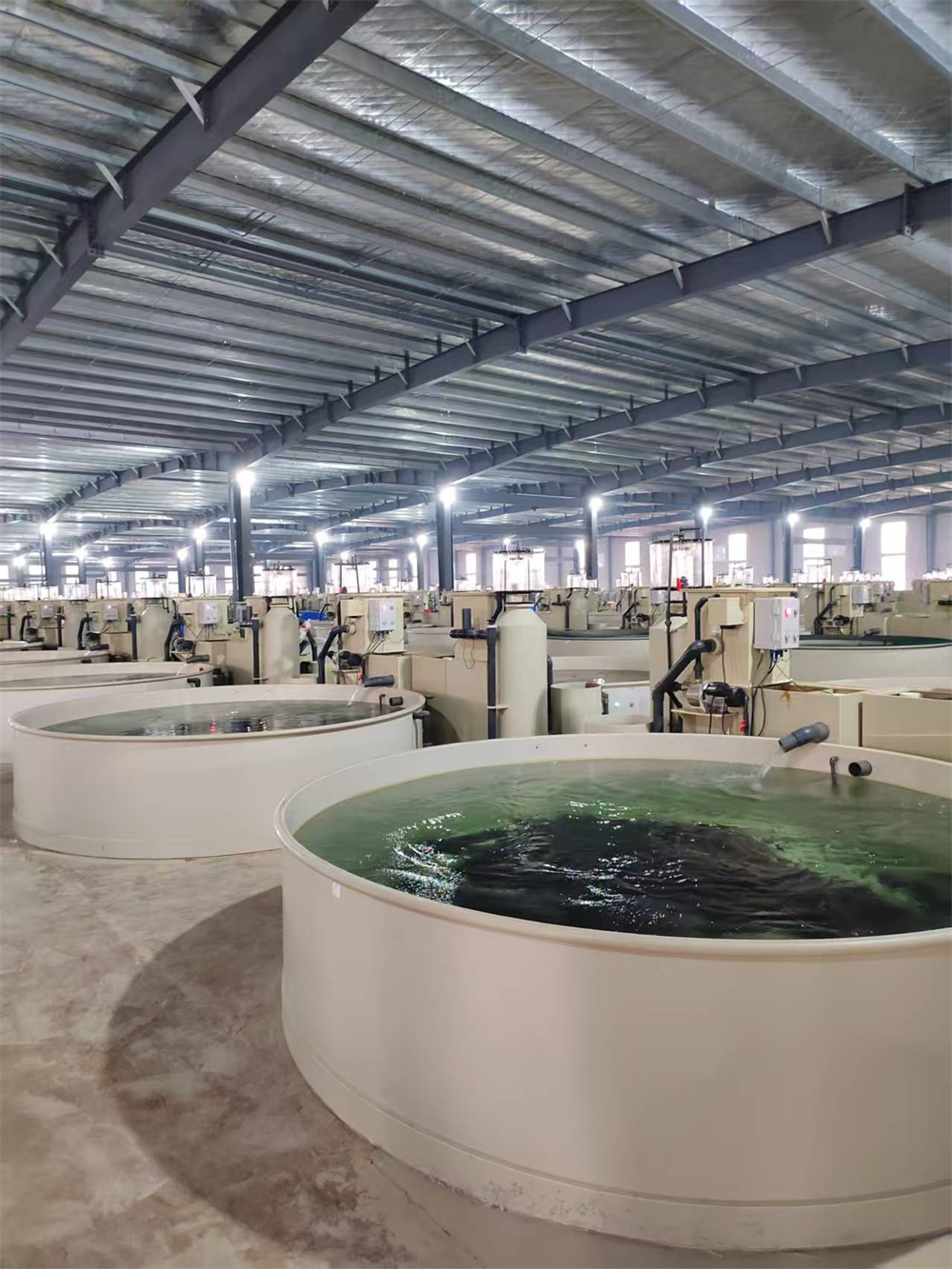
In the intelligent monitoring room, staff demonstrated the entire process of remotely operating aquaculture equipment via mobile and computer interfaces. With a single command, the intelligent feeding system can precisely adjust feeding amounts and frequency based on the fish’s growth stage, while the liquid oxygen aeration system dynamically matches dissolved oxygen requirements, significantly reducing labor costs. Statistics show that this project requires only 3–5 staff members per 1,000 cubic meters of water volume. Additionally, the project includes an aquatic product processing workshop, where live fish are processed into prepared dishes and premium products, extending the industry chain and enhancing product value.
Based on the project’s practical implementation, Mr. Tang pointed out that the next steps will focus on promoting the application of intelligent management systems in farming bases, strengthening online water quality monitoring and automated regulation capabilities, and further improving resource utilization efficiency and farming safety. At the same time, efforts will be made to expand the coverage of contract farming and extend the processing industry chain.
Mr. Zhang Hu, General Manager, emphasized that the study tour was highly rewarding. He expressed the intention to actively learn from the project’s advanced technologies and management experience, apply them according to the company’s actual conditions to upgrade farming models, and jointly promote the high-quality development of the aquaculture industry toward greater efficiency, sustainability, and intelligence.